


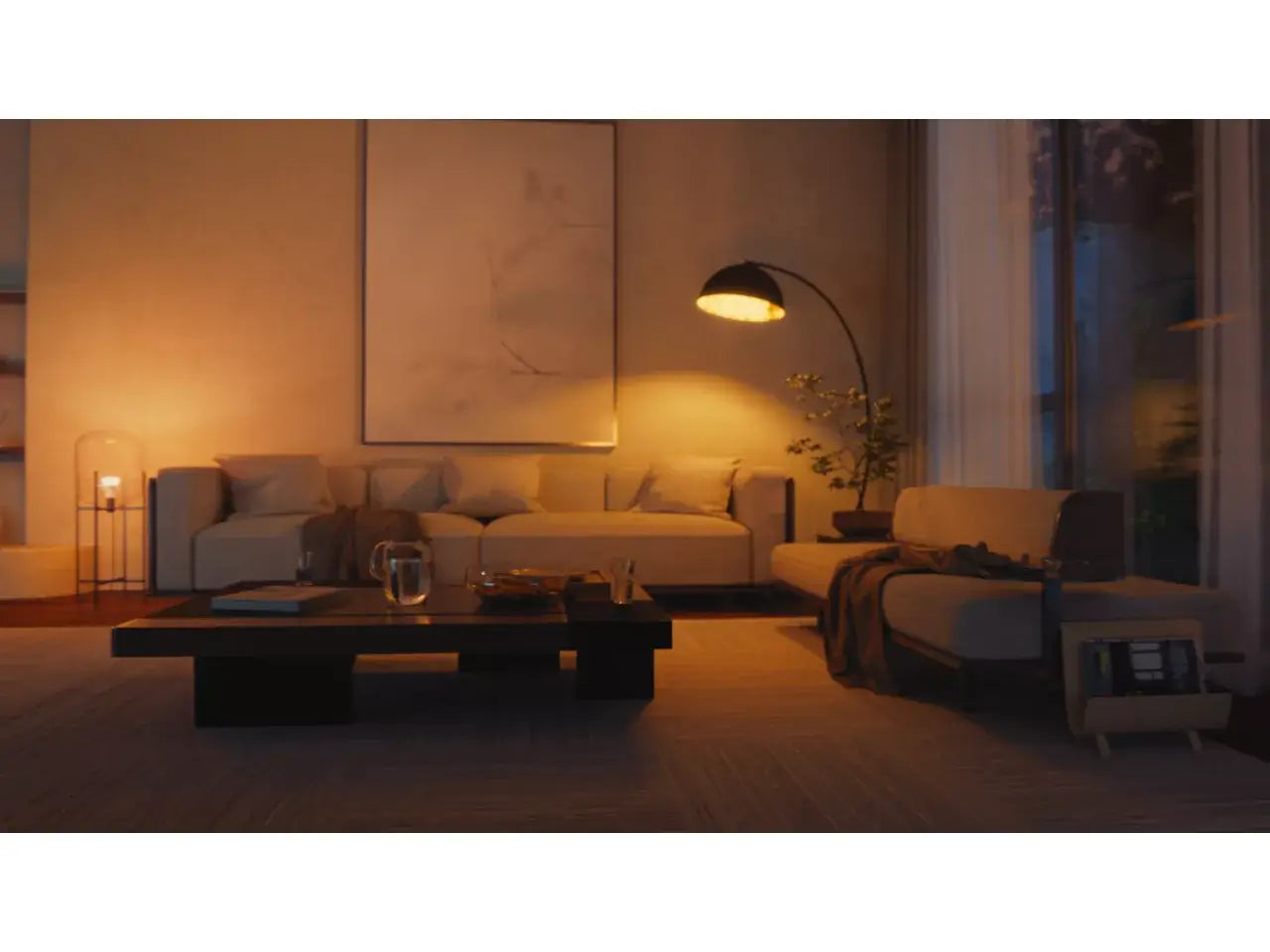
The three levels of lighting: General lighting, task lighting, and mood lighting
Successful lighting design is based on layering. It's often thought that one powerful ceiling light is enough, but in reality, a space requires several different light sources to function optimally. The first level is general lighting, which provides uniform light throughout the space for cleaning and moving around. The next level is task lighting, which is needed, for example, on kitchen countertops or in reading nooks. The third and perhaps most important level for comfort is mood lighting.
Mood lighting refers to light that is not essential for seeing, but exists to create an atmosphere. It is soft, often indirect, and precisely placed. An excellent way to achieve this is to install a high-quality home lighting solution using LED strips along the edges of shelves, behind curtain rails, or under furniture. When light reflects through a surface, it softens and eliminates harsh shadows, immediately making the space more inviting.
In practice, layering means that you can choose which lights are on depending on the situation. In the evening, general lights are dimmed or turned off completely, leaving only carefully selected mood lights to emphasize the room's architecture. COB LED strips are superior in this respect, as their uniform light beam without visible dots looks stunning even when viewed from a short distance.
Choose the right color temperature for each space
Color temperature, measured in Kelvins (K), defines the entire atmosphere of a room. The lower the Kelvin value, the warmer and yellower the light. Higher values, on the other hand, produce cooler, bluer light, resembling daylight. For mood lighting at home, shades of 2700K–3000K are generally recommended, as they create a cozy and peaceful feeling. If you want a modern and fresh look, 4000K might be the right choice, especially with light and minimalist surfaces.
Color Rendering Index (CRI) is another critical factor. A CRI>90 ensures that wood surfaces, textiles, and decor elements look natural and their true colors are highlighted. Poor-quality light can make an interior look gray or dull. By choosing a high CRI value, you ensure that your home looks exactly as it was designed to look.
Modern technology also offers CCT-adjustable LED strips, whose color temperature can be changed on the fly. This means you can use bright and cool light during the day to maintain alertness and switch to a warm, orange-tinted shade in the evening for relaxation. This flexibility is a cornerstone of modern lighting design.
Highlight interior details with accent lighting
Accent lighting is a way to direct attention. It can be a beautiful work of art on the wall, a stunning stone surface on a fireplace, or even a houseplant in a corner. Light can be used to create visual focal points that make a space interesting. This is where LED profiles, such as Topmet aluminum profiles, come into play. They not only protect the LED strip, but also allow the light to be directed exactly at the desired angle.
For example, the SEINÄ12 profile is designed for indirect light that reflects up or down along the wall. This creates a stunning effect that emphasizes the wall's texture. If you want to integrate light into furniture, such as a bookshelf or display cabinet, the MINI10 or VIIVA8 profiles are excellent choices due to their small size and clean finish. When light is hidden within structures, only a soft glow remains visible, making the space feel luxurious.
Accent lighting can also enhance the perception of space. By illuminating room corners or ceiling edges, the room can feel larger and taller. This is particularly effective in small spaces where a traditional ceiling light might even emphasize the feeling of confinement. By using properly designed lighting, you can transform any space into an architecturally interesting one.
Dimmer – the easiest way to change a room's atmosphere
Without dimming, mood lighting remains only halfway complete. A dimmer is the tool that adjusts the amount of light to the prevailing moment and mood. Dinner with friends requires different lighting than a late-night movie session. Modern control systems, such as Zigbee, Matter, and Casambi, offer endless possibilities for lighting adjustment.
Wireless control makes installation easy, as it does not require complex wiring inside walls. You can control all the lights in your home with a remote control, phone, or even voice commands. You can create pre-set "scenes," such as "Movie," which dims the living room lights to 10% power and leaves only soft backlighting behind the television. Modern home lighting also allows for scheduling, so lights turn on and off automatically according to your daily rhythm.
When dimming, it is important to choose a compatible transformer and controller. 24V systems are more stable and allow for longer runs without voltage drop, which is especially important when using several meters of LED strip. High-quality dimming is stepless and does not cause flickering, which saves eyes and improves living comfort.
Luminaire as part of the interior design
Lighting is not just about light, but it is also part of the aesthetics of the space. Luminaires and profiles themselves act as interior design elements. The modern trend favors minimalism, where the light source itself is as discreet as possible, but the lighting effect is impressive. Aluminum profiles, such as the black or white PINTA10.v2, blend seamlessly with various interior styles and give the installation a finished look.
Sometimes the luminaire should also be visible. For example, the NELIÖ16 profile is perfectly suited as a stylish pendant lamp above a dining table when equipped with suitable mounting accessories. In this case, technical quality and visual design are combined. It is important to consider the color and shape of the profile in relation to the rest of the interior: a black profile adds contrast, while a white one almost completely disappears into a white ceiling or wall.
Practicality and aesthetics also meet when considering installation locations. Integrating light into, for example, a staircase or floor level creates not only atmosphere but also safety. Light guides movement in the dark without the need to switch on bright ceiling lights. This is a luxurious detail that increases the value of the home and improves the everyday living experience.
Tips for living room and bedroom mood lighting
The living room is a multi-functional space in the home where people relax, socialize, and watch television. This is where mood lighting truly shines. Favor indirect light: place an LED strip in a profile, for example, in a curtain valance or behind a bookshelf. Moderate backlighting installed behind the television reduces eye strain and enhances the viewing experience. Use several small light sources instead of one large one to create depth in different corners of the room.
In the bedroom, lighting should support relaxation. Avoid cool tones and favor very warm light. An LED strip installed behind the headboard creates a soft frame and serves as an excellent mood enhancer. If you want true luxury, install a dim light with a motion sensor under the bed – it automatically turns on when you put your feet on the floor at night, and doesn't dazzle sleepy eyes. With high-quality home lighting components, you can create a hotel-level sanctuary of peace in your bedroom.
Remember that lighting is about experimenting and feeling. Start with small elements and expand the whole as needed. If you need help choosing the right products or with technical questions, expert assistance is always available so you can implement your dream mood lighting safely and stylishly. You can always turn to us if you want more information about our products or installation – contact us and let's design lighting suitable for your home together.


0 comments